John Deere tractors
Strong, versatile, productive
Designed for your agricultural applications
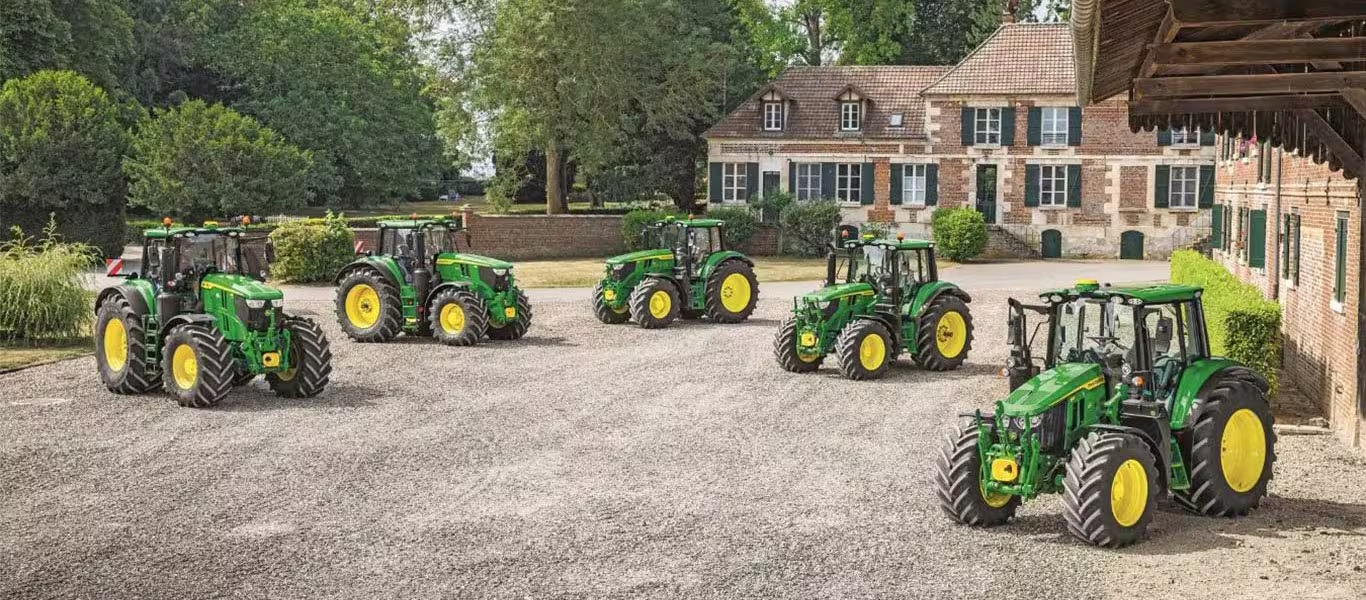
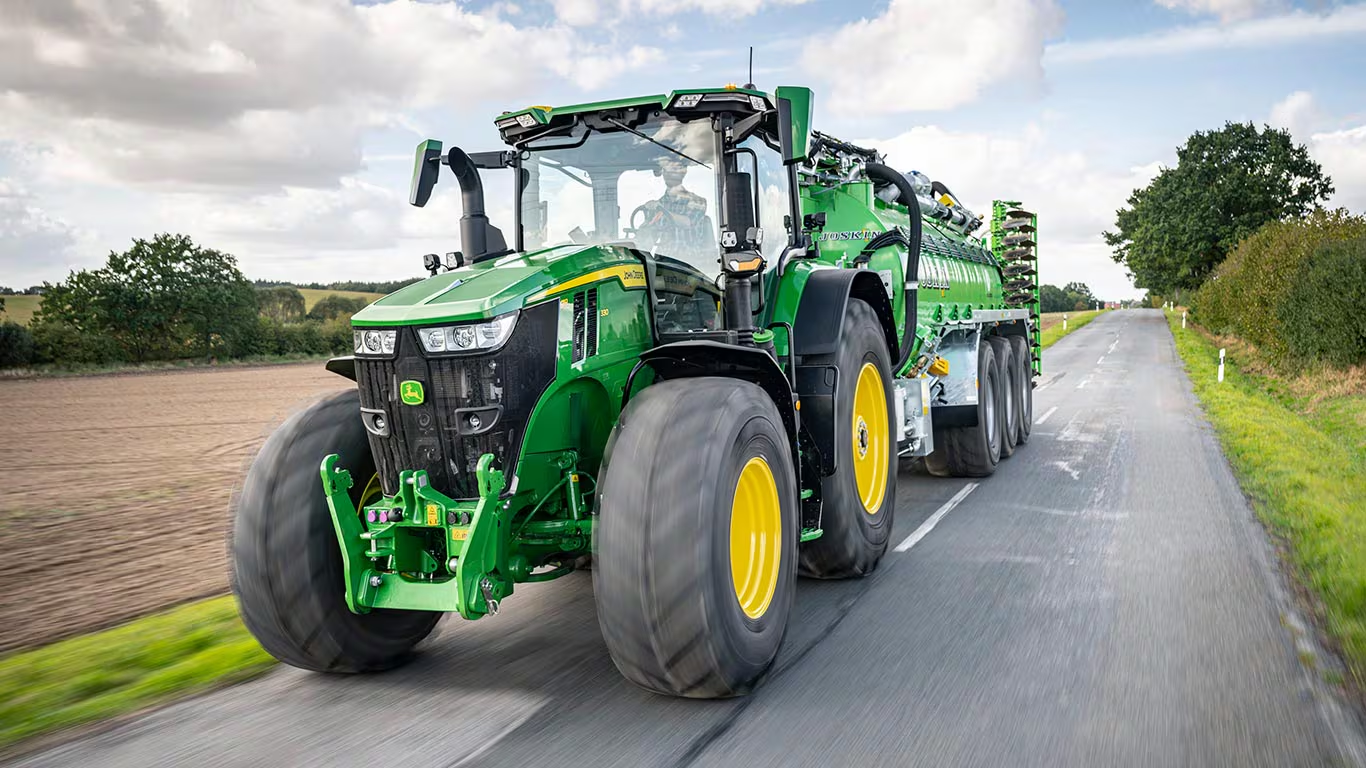
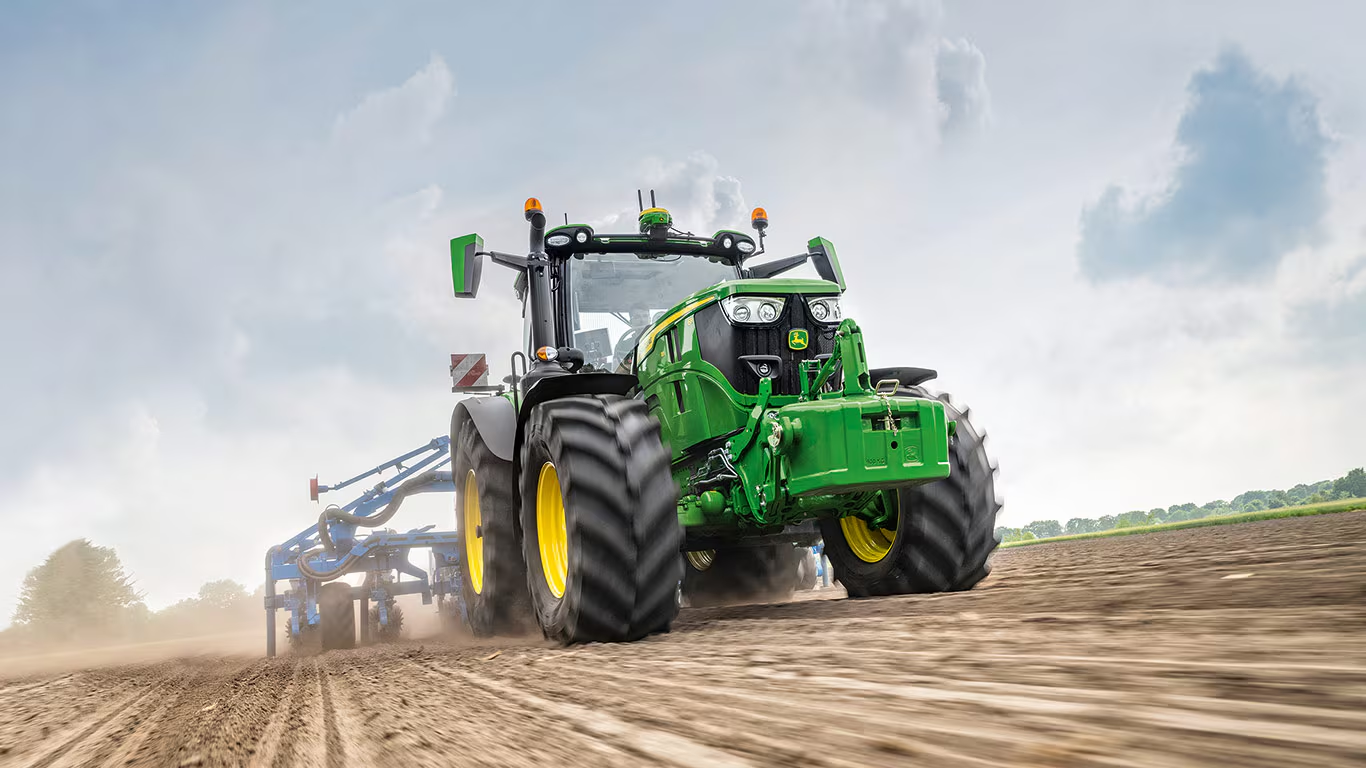
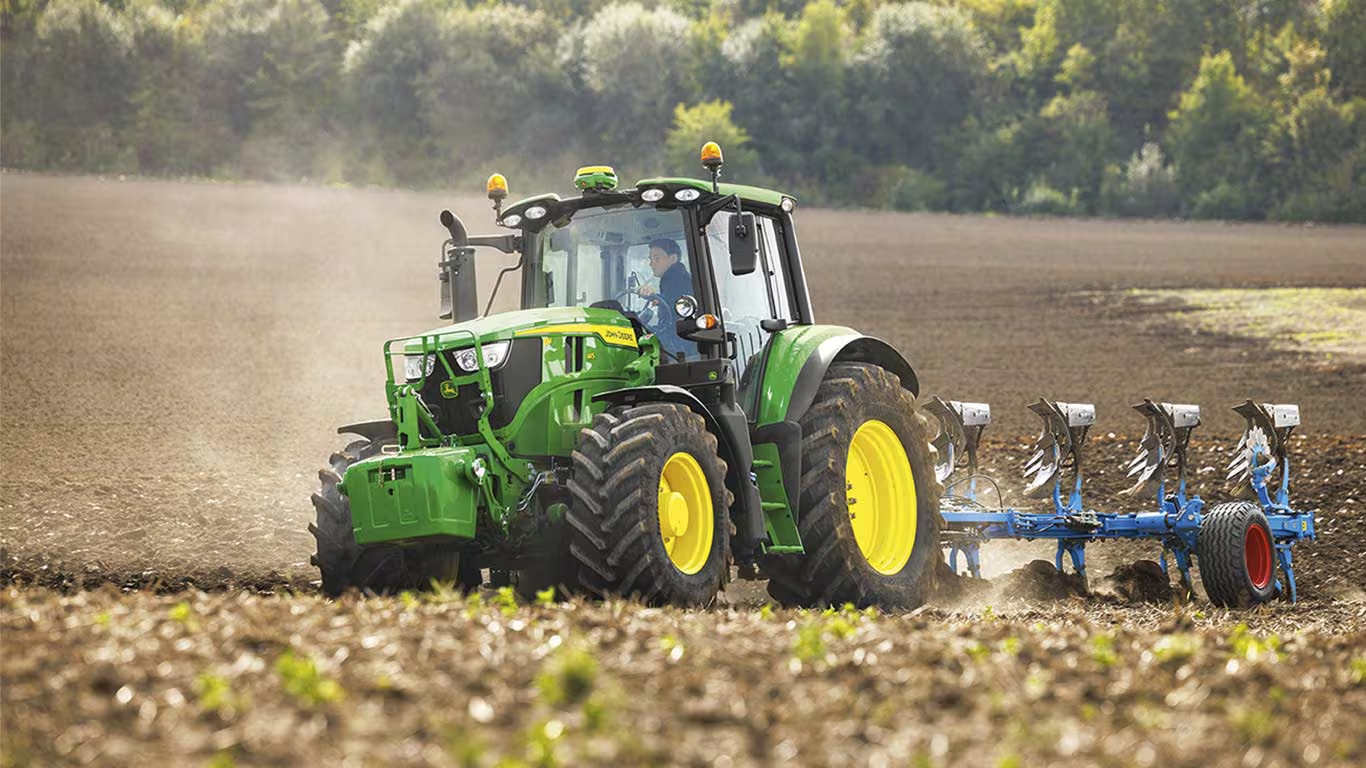
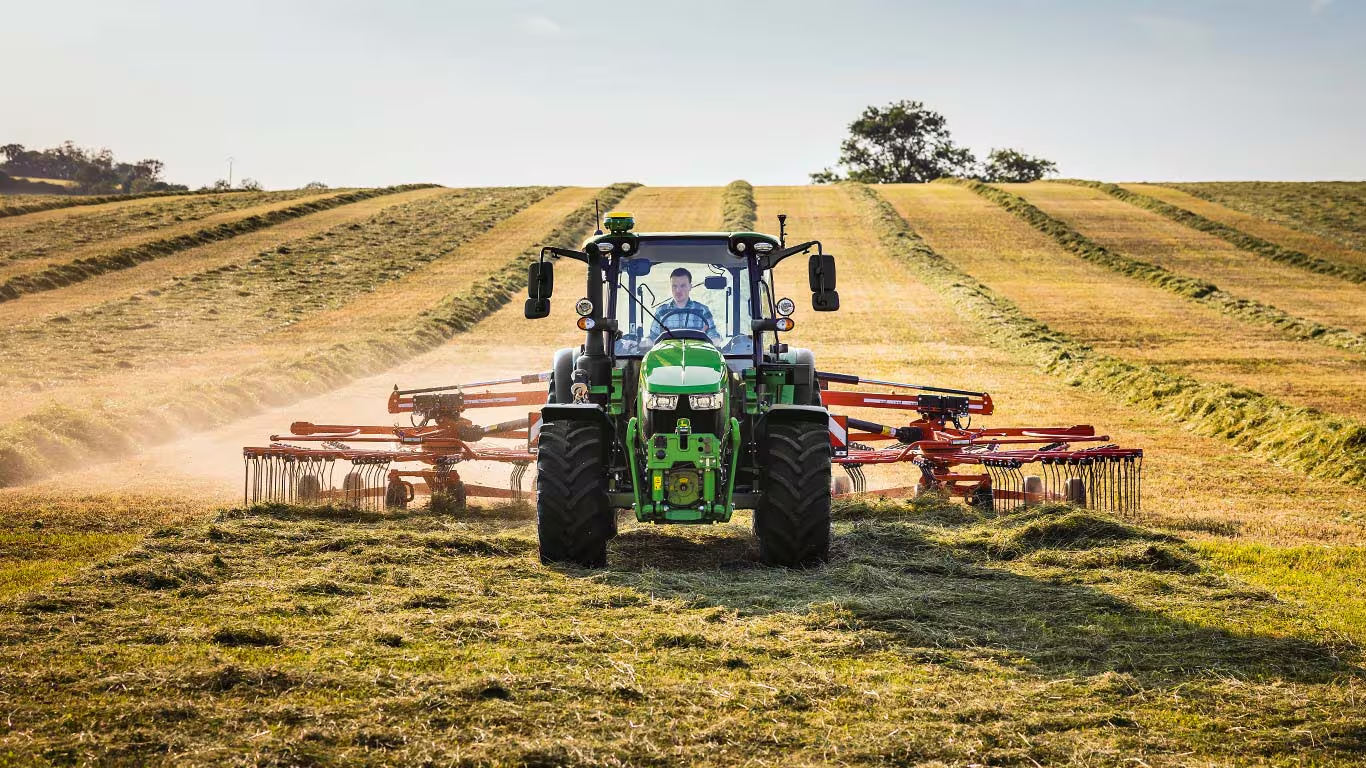
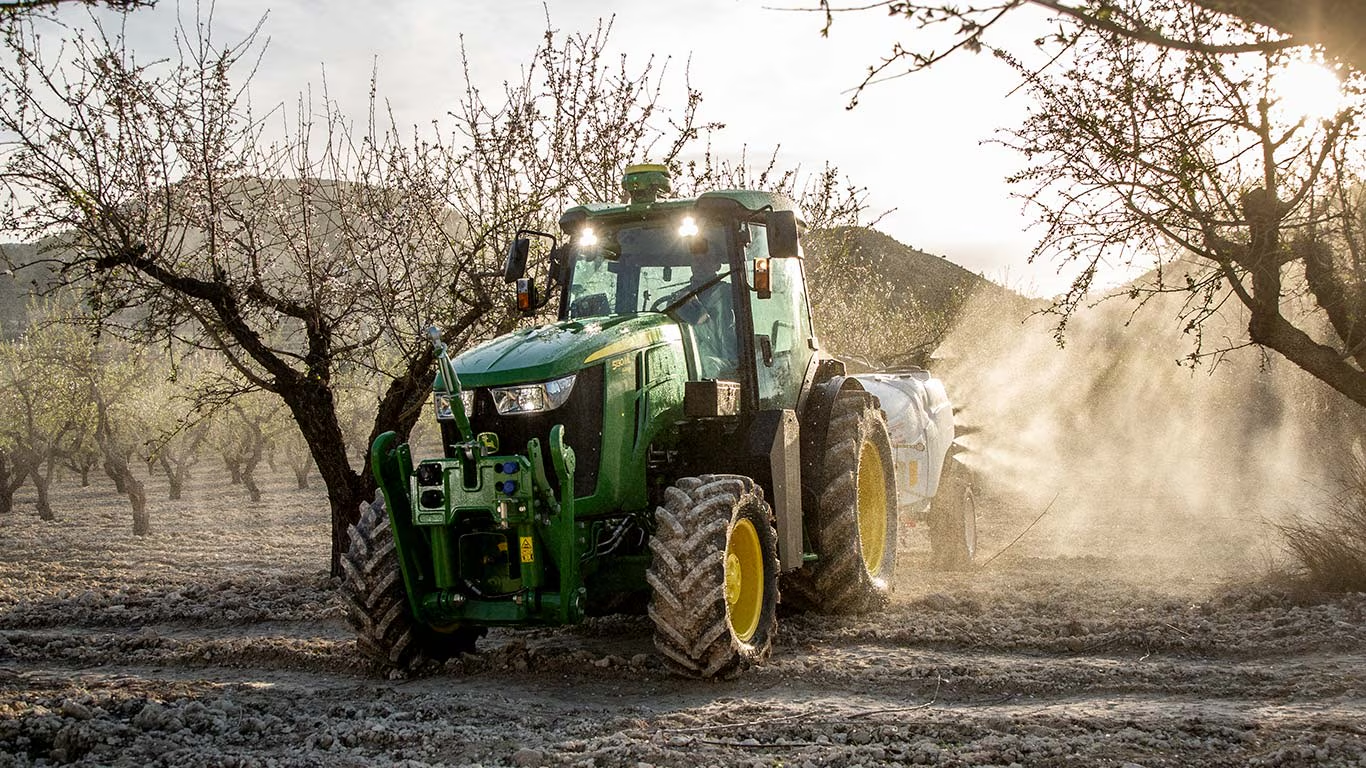
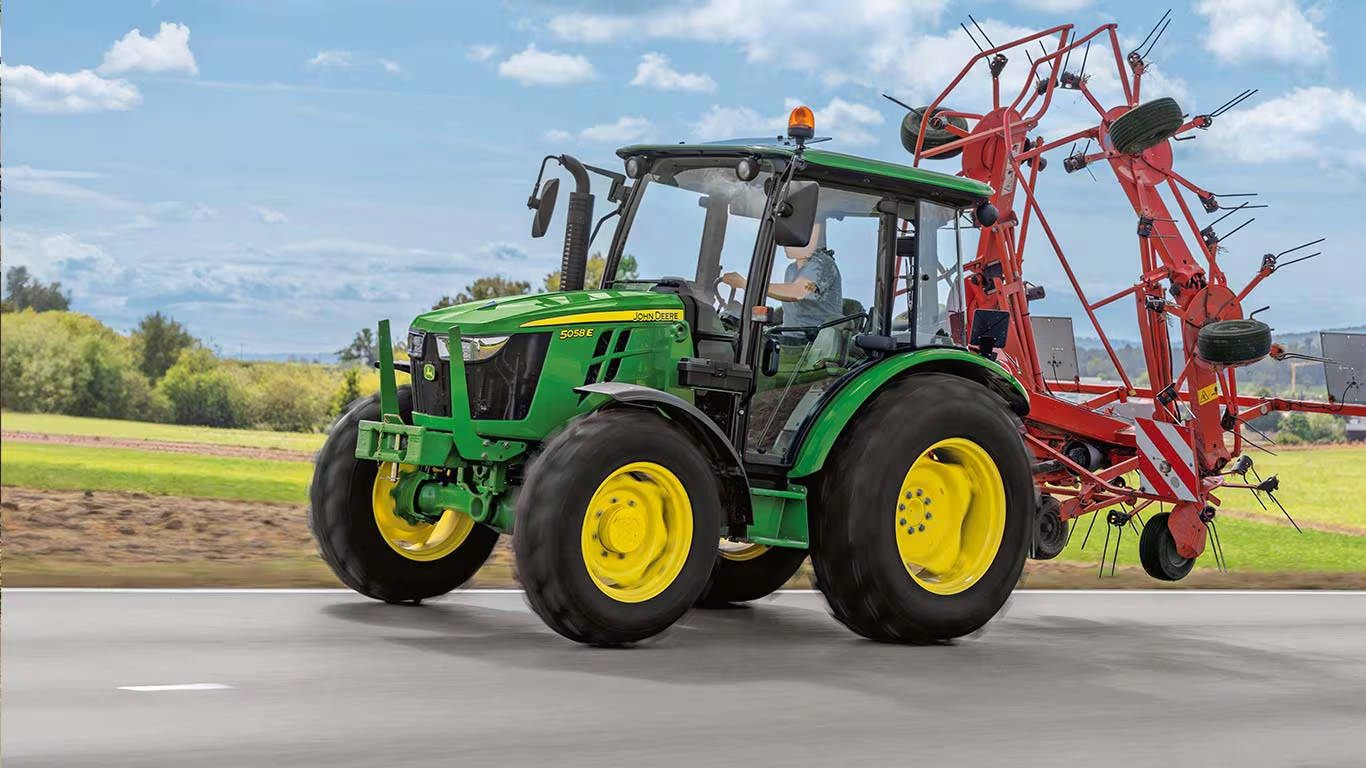
John Deere agricultural tractors It covers a wide range of applications, from work in small farms and mixed farms to intensive operations carried out in large-scale farms. The range available through IPSO includes compact, medium and high-power models, adapted for tasks such as soil preparation, sowing, transportation, maintenance of the farm or working with attached agricultural machinery.
John Deere tractor models differ in engine power, transmission type, dimensions, working capacity and level of equipment. Depending on the series, configurations may include technologies for guidance, connectivity and precision agriculture, as well as various optional features. Choosing the right tractor It depends on the farm’s surface area, the types of work carried out, and the compatibility with the machinery used on the farm.
Models of John Deere tractors available through IPSO
How to choose one John Deere tractor depending on the farm and the work?
The choice of a John Deere tractor depends on the type of work to be performed, the size of the farm, and the machinery the tractor must operate with. The power expressed in CP is an important criterion, but the transmission, hydraulic system, lifting capacity, and compatibility with the agricultural equipment used must also be considered.
Small farms and light work
Models with lower power are suitable for farm maintenance, transportation, light work and applications where maneuverability is important.
Medium farms and various applications
Tractors in the intermediate classes can combine the power required for various agricultural tasks with the flexibility needed for transportation, seeding, or work with a front loader.
Large farms and intensive work
For large farms and jobs that require heavy machinery, high-powered tractors are available, designed for traction, productivity, and the use of large-sized agricultural equipment.
The range of John Deere tractors by power
Power in CP and transmission: two important criteria
The engine power expressed in HP must be analyzed in conjunction with the work performed and the machinery that will be attached to the tractor. For light activities or work in confined spaces, a lower power may be sufficient, while soil preparation, planting with large-sized equipment, or heavy transport may require tractors from higher power classes.
The transmission type influences the way the tractor delivers power and operator comfort. Depending on the series and configuration, the John Deere range includes several transmission solutions, from mechanical or powershift variants to continuously variable transmissions. The exact availability must be verified for each model and configuration.
Compatibility of the tractor with agricultural machinery
The tractor selection must be aligned with the equipment used on the farm. The required power, the clamping system, the hydraulic flow, the lifting capacity, the power connection, and the electronic requirements of the machine can influence the compatibility between the tractor and the attached equipment.
Before choosing a configuration, it is recommended to check the technical requirements of the machinery used for soil preparation, sowing, fertilizing, plant protection, or transportation.
Frequently asked questions about John Deere tractors