Subsoilers Minimum-Till John Deere
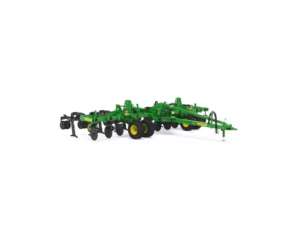
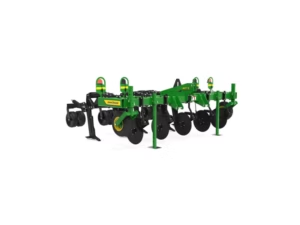
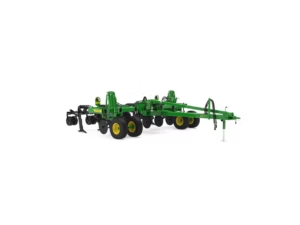
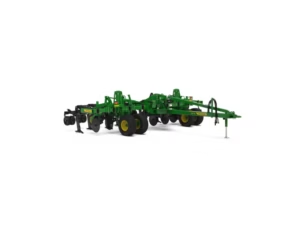
John Deere Minimum-Till Subsoilers They are designed for compacting compacted layers with minimal surface disturbance. The active elements work deep into the soil, and the effect on the soil and plant residues depends on the equipment, the chosen depth, and the working conditions.
John Deere MT range Available through IPSO include the models MT5, MT7, MT9 and MT11, With 5, 7, 9 or 11 active organs. Compare the configurations according to the available tractor, the soil characteristics and the required working capacity.
John Deere MT underground excavators available via IPSO
When is compaction of compacted soil useful?
Deep percolation is analyzed when there is a compacted layer that limits the root development or water circulation. Before intervention, check the soil profile to identify the position and thickness of the affected layer.
The work must be adapted to the soil moisture: it must fracture in the area of intervention of the active organs. Tilling in excessively wet conditions can produce soil deformation, without the intended cracking effect.
How to choose the configuration of a Sub-floor minimum-till?
Depth of work. It is determined after identifying the compacted layer, within the technical limits of the machine. Working deeper than necessary can increase the tractor's load and consumption.
The number of active organs. Compare the MT5, MT7, MT9 and MT11 configurations along with the distance between the organs and the working width. The number of organs influences the load on the assembly, but does not alone determine compatibility with the tractor.
Equipping the active organs. The shape and dimensions of the tips influence the way the surface is agitated and disturbed. Check the available options for the lens of the work.
The tractor is available. It analyzes the power, traction, ballast and the coupling system. For the driven variants, the lifting capacity must also be verified.
What does Minimum-Till mean in John Deere MT subsoilers?