

From sowing to harvesting, every stage of the agricultural season contributes to the farm’s results. In the end, the combine combines the cutting or harvesting of the crop, the threshing, separation, and cleaning of the grains. It is this sequence of operations that sets it apart from machines dedicated to a single task and makes the preparation in advance all the more important: the wear of a component can affect both the harvesting pace and the quantity or quality of the harvested produce.
The preparation of the team begins with the check of the equipment
The first area that needs to be checked is the header, the front equipment that takes over the crop. At one hedder for herbaceous cereals, The checks include the knife segments, the fingers of the cutting device, the fixing elements and the fingers of the cutter. The sheared off parts, the broken parts or the deformations may prevent proper cutting and feeding.
Depending on the design of the combine, the retractable finger coulter or the transport belts are also examined. For a corn combine, the checks focus on different components, such as the assembly chains and the draw bars. The list of parts for the combine must therefore be correlated with the front equipment and the crop to be harvested.
A check limited to the combine’s body can miss problems that may occur at the header level. John Deere includes the cutting and feeding components in its inspection recommendations before harvesting.
How is the feeding, threshing and separation of the grains checked?
After the header, the vegetable material passes through the conveyor to the sorting mechanisms. The chains, guides, and toothed wheels of the conveyor must be examined for wear, damage, and misalignment problems. Tensioning is done according to the model instructions; an uneven feed can favor jams and may affect the processing of the crop.
Inside the combine, the inspection differs depending on the threshing and separating system. The condition of the countershaft, the beaters bars or the rotor elements and, if applicable, the shakers or the separating screens is checked. Not all combines use the same configuration. For example, the model John Deere T6 700 It has a system with multiple drums and six vibrators.
Used components may leave unground grains or contribute to their deterioration. Increasing the speed to compensate for wear does not replace the evaluation of the parts and may exacerbate the breakage of the grains.
What role do the sites, elevators and snow chains play in the quality of the harvest?
The separate beans reach the cleaning system, where the screens and airflow contribute to removing impurities. Before the campaign, the integrity of the screens, deposits, and the operation of the adjustment mechanisms are checked. Where opening is controlled from the cabin, the actual position must correspond to the displayed value, according to the model calibration procedure.
The route continues through elevators and snowdrifts to the bunker and to the unloading area. The elevators’ pulleys and the snowdrifts’ sheaves are examined for wear or damage. The sharp edges resulting from wear can affect the beans, and deteriorated transport components can limit the working capacity.
These checks have a direct impact on the result in the bunker: clean beans with the lowest level of damage.
Belts, chains and bearings: what do you check before the campaign?
The belts are checked for cracks, tearing and signs of overheating, and the chains and toothed wheels for misalignment, damage and unalignment. In bearings, abnormal play, noise, high temperatures or uneven rotation justify a technical evaluation. The decision to replace the bearing is made based on the wear limits and the manufacturer’s recommendations.
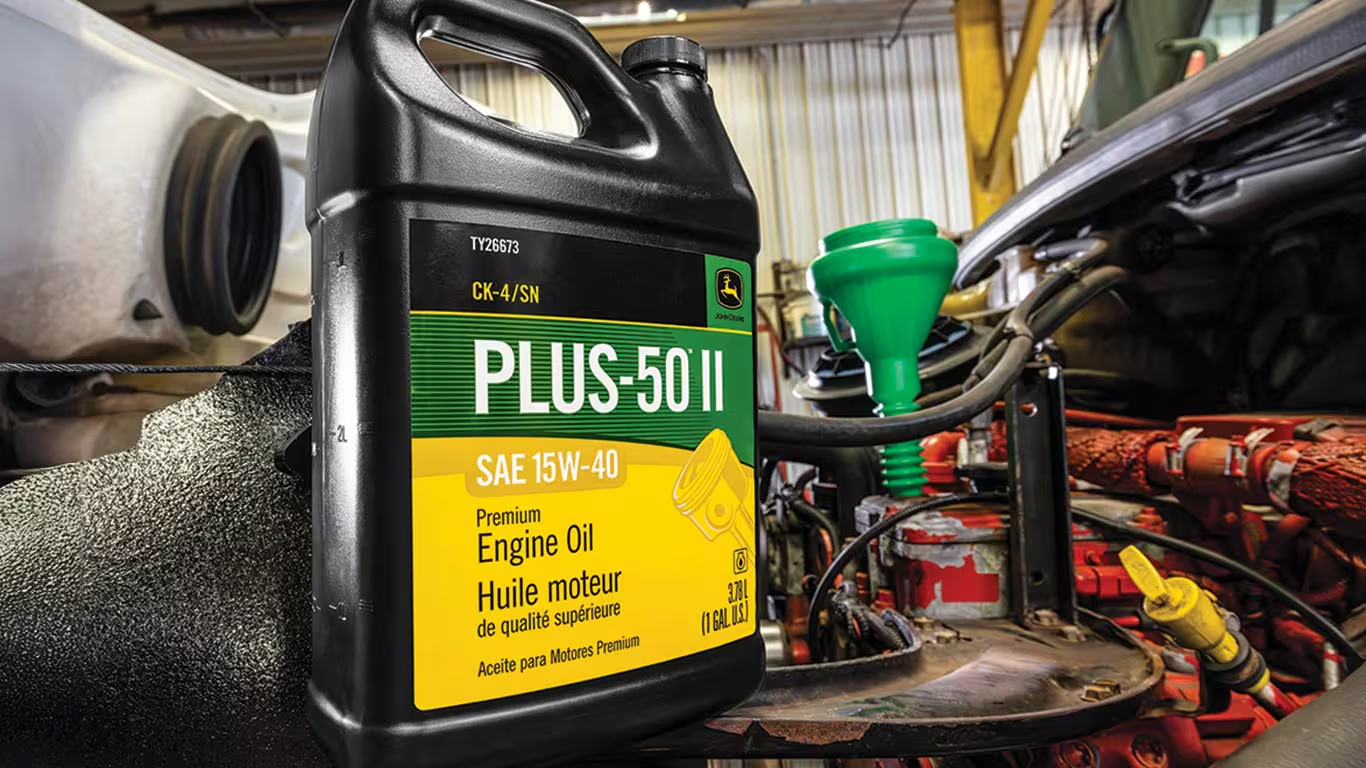
In addition to these spare parts For the combination, the inspection includes filters, lubricants, and the check of the cooling circuit, according to the maintenance plan. The air, fuel, and oil filters do not all have the same replacement interval. The manual and the history of interventions indicate which maintenance operations must be performed for that combination.
How do you plan your gearbox overhaul to be ready in time?
The plan can be based on the observations of the previous campaign: repeated clogging, vibrations, bean losses, impurities in the bunker, or difficulties during unloading. After cleaning, the inspection allows compiling a list of repairs and consumables, followed by ordering parts and scheduling interventions.
Timely preparation allows for the resolution of these issues before the maturity of the culture dictates the start of harvesting. The schedule must include both servicing work and the final verification of operation.
Before the campaign, a technical check can help identify worn components and the necessary interventions in advance. For John Deere overalls, IPSO Service 360 includes diagnostic services, maintenance, calibration and optimization, which can complement the inspection carried out before harvesting.
When identifying the parts, the combination series, the model of the header and, if known, the component codes are useful. The compatibility of the parts must be verified for the exact configuration of the machine.
What should be monitored during the operation test of the combine?
After interventions, the test is carried out according to the manual, with the protections installed and no people near the moving mechanisms. Unusual noises, vibrations, warnings, and response to commands are monitored. Inspections that involve access to components are only performed after stopping and securing the combine, including the raised header, in accordance with safety instructions.
The checks also include the sensors, the electrical installation and the warning equipment. The condition and accessibility of the fire extinguisher are also checked, and the accumulations of plant debris are removed in accordance with the manual.
A sample without plant material cannot confirm all harvesting settings. At the first passes through the crop, losses are evaluated and the bean sample is tested, then the settings are adjusted to the conditions encountered. John Deere manuals treat the initial settings as a starting point, with subsequent adjustments depending on humidity and the condition of the crop.
Frequently asked questions about the combination review before the campaign
How long does a combine overhaul take before harvesting?
The duration is determined after inspection. Replacing consumables involves operations other than repairing the hayracker or replacing the haymaking components. The estimate must include the availability of parts, labor, and final testing, therefore, a fixed number of hours cannot be relevant for all combines.
Is it necessary to check if there were any malfunctions in the previous season?
Yes. The absence of stops does not rule out wear and tear. Evaluation before the campaign allows the identification of components that are approaching the limit of use, and the maintenance operations provided for in the machine plan remain necessary.
Which spare parts are worth preparing for the campaign?
A limited stock may include knife and finger segments compatible with the heder, filters that are expected to reach the replacement interval during the campaign, and certain belts, if the combine’s history justifies this. The selection is determined with the technician, following the correct codes, the frequency of replacement, and the supply time.
Can the wheat settings be kept for the corn?
They are not taken over automatically. Changing the culture may require a different harrow, other tillage components, and adjustment of speeds, distances, and opening widths of the sites. The configuration is checked in the combine and harrow manual, then adapted to the conditions in the field.